Complete Yacht Maintenance Checklist for Every Season

James Mitchell
9 April 2026
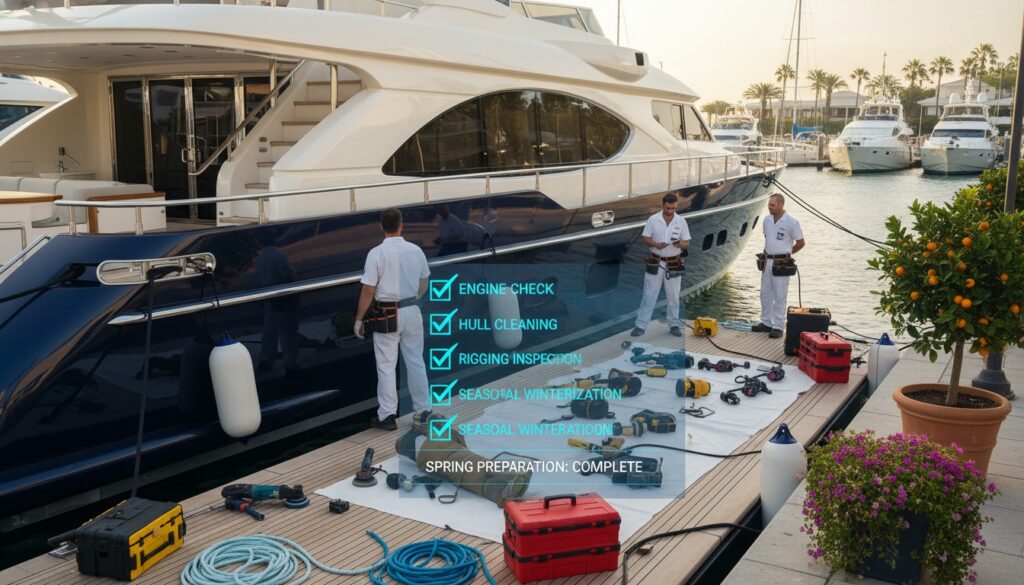
Complete Yacht Maintenance Checklist for Every Season
Introduction
Your yacht represents more than just a vessel—it’s a significant investment, a gateway to adventure, and often a cherished family legacy. However, the marine environment presents unique challenges that can quickly turn your pride and joy into a costly headache if proper maintenance isn’t followed. Saltwater corrosion, UV damage, and mechanical wear are constant threats that demand year-round attention.
Whether you’re a seasoned yacht owner or new to the maritime world, having a comprehensive seasonal maintenance schedule is crucial for preserving your vessel’s value, ensuring safety, and preventing expensive repairs. This guide will walk you through the essential tasks for each season, helping you develop a proactive approach to yacht care that will keep your investment in pristine condition for years to come.
Spring Preparation: Awakening Your Yacht
Engine and Mechanical Systems
Spring marks the beginning of the boating season for most yacht owners, making it the perfect time for comprehensive mechanical inspections. Start with your engine compartment, checking all fluid levels including oil, coolant, and hydraulic fluids. Replace any fluids that appear contaminated or have been sitting through winter storage.
- Change engine oil and filters
- Inspect belts for cracks, fraying, or proper tension
- Test battery voltage and clean terminals
- Check fuel lines for leaks or deterioration
- Verify proper operation of bilge pumps
- Test all electrical systems and navigation equipment
- Monitor coolant levels daily during extended trips
- Clean raw water intake screens regularly
- Check for proper water flow from exhaust outlets
- Inspect heat exchangers for corrosion or blockages
- Verify thermostat operation
- Engine room inspection for leaks or unusual sounds
- Bilge pump testing and cleaning
- Battery voltage monitoring
- Deck hardware lubrication
- Fresh water system sanitization
- Flushing cooling systems with antifreeze
- Fogging cylinders to prevent corrosion
- Changing oil and filters before storage
- Stabilizing fuel systems
- Disconnecting batteries and storing in a warm, dry location
- Drain all water systems completely
- Add antifreeze to holding tanks and plumbing
- Remove or secure all loose equipment
- Install dehumidifiers or moisture absorbers
- Cover air intakes and exhaust outlets
- Checking for pest intrusion
- Monitoring moisture levels
- Inspecting covers and supports
- Testing battery charge levels
- Verifying security systems
- Service dates and descriptions
- Parts and materials used
- Hours of operation
- Warranty information
- Professional service receipts
Hull and Exterior Inspection
The hull bears the brunt of marine exposure, making thorough inspection essential. Look for any signs of osmotic blistering, particularly on fiberglass hulls, as these can indicate serious moisture intrusion issues.
Pro Tip: Use a moisture meter to detect hidden water intrusion in fiberglass hulls. Early detection can save thousands in repair costs.
Antifouling paint should be inspected and refreshed as needed. Even minor scratches or thin spots can allow marine growth to take hold, affecting performance and fuel efficiency.
Safety Equipment Audit
Spring preparation must include a comprehensive safety equipment check. Verify that all life jackets, flares, fire extinguishers, and emergency equipment are in good condition and within certification dates. Replace any expired items immediately—this isn’t just good practice, it’s often legally required.
Summer Vigilance: Peak Season Maintenance
Cooling System Management
Summer’s intense heat and extended operating hours put maximum stress on your yacht’s cooling systems. Engine overheating is one of the most common summer breakdowns, often preventable with proper maintenance.
Air Conditioning and Ventilation
Your yacht’s HVAC system works overtime during summer months. Clean or replace air filters monthly, check refrigerant levels, and ensure all vents are unobstructed. Poor ventilation can lead to moisture buildup and mold issues.
Weekly Operational Checks
During peak season, establish a weekly routine that includes:
Fall Preparation: Securing for Seasonal Changes
Winterization Planning
Fall maintenance focuses on preparing your yacht for reduced use or winter storage. This is particularly critical in regions where freezing temperatures can cause catastrophic damage to plumbing and engine systems.
Engine winterization should include:
Exterior Protection
Fall weather brings increased moisture and temperature fluctuations that can accelerate deterioration. Apply protective wax coatings to all gel coat surfaces and ensure all canvas and upholstery are thoroughly cleaned and treated with appropriate protectants.
Systems Shutdown Procedures
Proper shutdown of onboard systems prevents damage and ensures easy startup next season:
Winter Storage: Protecting Your Investment
Indoor vs. Outdoor Storage
The decision between indoor and outdoor storage significantly impacts your winter maintenance requirements. Indoor storage provides superior protection but requires more preparation to prevent moisture and pest issues.
For outdoor storage, invest in a high-quality cover that allows ventilation while protecting from precipitation. Ensure the cover is properly secured but not so tight that it traps moisture.
Monthly Inspection Schedule
Even in storage, your yacht requires attention. Monthly inspections should include:
Climate Control Considerations
Moisture control is perhaps the most critical aspect of winter storage. Use marine-grade dehumidifiers or moisture absorbers, and ensure adequate ventilation to prevent condensation buildup that can lead to mold, mildew, and corrosion.
Professional Service Integration
When to Call the Experts
While many maintenance tasks can be handled by dedicated owners, certain jobs require professional expertise. Engine rebuilds, electrical system troubleshooting, and structural repairs should always be left to certified marine technicians.
Establish relationships with trusted service providers before you need them. Emergency repairs are always more expensive than planned maintenance.
Documentation and Record Keeping
Maintain detailed records of all maintenance activities, including:
These records not only help track maintenance schedules but also significantly enhance resale value.
Conclusion
Proactive yacht maintenance isn’t just about preserving your investment—it’s about ensuring safety, reliability, and enjoyment on the water. By following a structured seasonal approach, you can identify and address issues before they become costly problems.
Remember that consistency is key. Regular attention to routine maintenance tasks prevents the need for major repairs and extends your yacht’s operational life significantly. The time and effort invested in proper maintenance pays dividends in reduced repair costs, improved reliability, and enhanced resale value.
Develop your maintenance routine gradually, focusing first on safety-critical systems, then expanding to include cosmetic and comfort items. Don’t hesitate to seek professional help when needed—the cost of expert service is minimal compared to the expense of major repairs or safety incidents.
Call-to-Action
Start implementing your seasonal maintenance routine today! Download our free printable maintenance checklist and begin tracking your yacht’s care systematically. Join our community of dedicated yacht owners who prioritize proper maintenance and share your experiences and tips.
Subscribe to our newsletter for monthly maintenance reminders, seasonal tips, and exclusive access to expert advice from marine professionals. Your yacht—and your wallet—will thank you for the proactive approach to maintenance that keeps you safely enjoying the water for years to come.