Race Day Success: How to Prepare for Your First Sailing Regatta

James Mitchell
9 April 2026
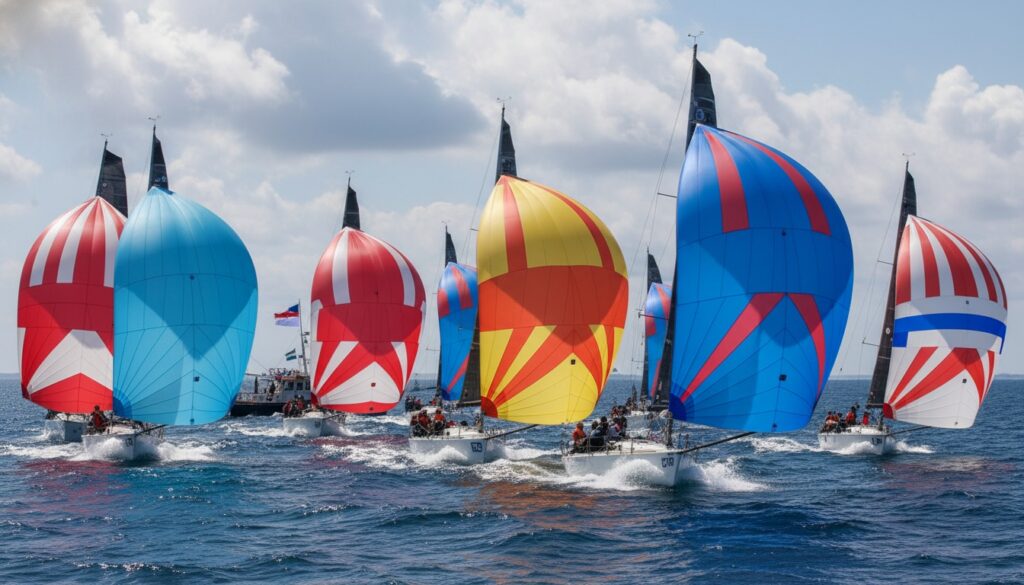
Race Day Success: How to Prepare for Your First Sailing Regatta
Introduction
The thrill of competitive sailing awaits as you prepare for your first sailing regatta. Whether you’ve been sailing recreationally for years or recently caught the racing bug, stepping into the world of competitive sailing represents an exciting milestone in your maritime journey. The difference between a casual sail and a regatta is like comparing a neighborhood jog to a marathon – both require preparation, but the intensity and stakes are dramatically different.
Successful regatta participation isn’t just about having the fastest boat or the most experienced crew. It’s about meticulous preparation, strategic thinking, and seamless execution under pressure. From understanding race rules to optimizing your boat’s performance, every detail matters when you’re competing against skilled sailors who’ve honed their craft over years of racing.
This comprehensive guide will transform you from a regatta newcomer into a confident competitor, equipped with the knowledge and strategies that separate winners from the rest of the fleet.
Understanding Regatta Fundamentals
Race Format and Rules
Before diving into preparation tactics, you must understand what you’re preparing for. Sailing regattas typically consist of multiple races held over one to several days, with points awarded based on finishing positions. The boat with the lowest cumulative score wins – making consistency as important as speed.
Key regatta elements include:
- Starting sequences: Usually 5-minute countdowns with specific flag and sound signals
- Course configurations: Windward-leeward, triangle, or Olympic courses
- Scoring systems: Low-point scoring where first place = 1 point, second = 2 points, etc.
- Protest procedures: Formal processes for resolving on-water disputes
- Sail inventory limitations
- Weight restrictions for crew and equipment
- Prohibited modifications or equipment
- Measurement requirements and certificates
- Clean the hull thoroughly, removing all marine growth and residue
- Inspect for damage, cracks, or delamination
- Apply appropriate bottom paint or polish for your racing class
- Check rudder and centerboard/keel for damage or excessive play
- Verify all through-hull fittings are secure and watertight
- Inspecting all standing rigging for wear, corrosion, or damage
- Checking mast rake and prebend settings according to your sail maker’s tuning guide
- Lubricating all moving parts including blocks, tracks, and winches
- Replacing any questionable running rigging – don’t risk gear failure during competition
- Marking optimal settings with tape or permanent marker for quick reference
- Inspect all sails for damage, excessive stretch, or wear
- Practice sail changes and reefing procedures with your crew
- Mark optimal sail trim settings with telltales or reference points
- Ensure all sail controls (halyards, sheets, guys) run smoothly
- Pack backup sails if class rules permit
- Skipper: Overall strategy, steering, and decision-making
- Tactician: Wind shifts, competitor analysis, and race strategy
- Trimmer: Sail adjustment and boat speed optimization
- Pit crew: Line handling, sail changes, and equipment management
- Bow person: Mark identification, collision avoidance, and forward sail handling
- Tacking and jibing in various wind conditions
- Spinnaker sets and douses (if applicable)
- Man overboard procedures
- Starting line approaches and timing
- Establish clear, concise commands for each maneuver
- Practice calling wind shifts and pressure changes
- Develop hand signals for noisy conditions
- Assign specific crew members to watch competitors and call tactics
- Wind patterns: Observe wind direction trends, shift patterns, and pressure variations
- Current analysis: Note tidal flows, strength, and timing relative to race schedules
- Course layout: Study mark positions, starting line bias, and potential tactical opportunities
- Competitor analysis: Identify fast boats and experienced competitors in your fleet
- Line bias: Determine which end of the starting line offers the shortest distance to the first mark
- Wind shifts: Position yourself to benefit from anticipated shifts after the start
- Traffic management: Plan your approach to avoid being trapped by other boats
- Timing: Practice your acceleration timing to hit the line at full speed precisely at the starting signal
- Conservative approach: Start cleanly in clear air, even if not at the favored end
- Aggressive approach: Fight for position at the favored end, accepting higher risk
- Port tack start: Risky but potentially rewarding if you can cross the fleet
- Sail in shifts: Tack on headers, continue on lifts
- Stay between competitors and the next mark when ahead
- Use leverage when behind – sail to the corners for bigger gains
- Protect your air from boats behind while seeking clear air ahead
- Play the pressure – sail toward areas of increased wind strength
- Visualization: Mentally rehearse race scenarios and your responses
- Stress management: Practice breathing techniques and positive self-talk
- Focus techniques: Develop routines to maintain concentration during long races
- Adaptability: Prepare mentally for changing conditions and unexpected situations
- 2 hours before: Final weather check and sail selection
- 90 minutes before: Boat rigging and safety equipment check
- 60 minutes before: Launch and initial sail trim setup
- 45 minutes before: Course reconnaissance and wind assessment
- 20 minutes before: Starting line practice and final crew briefing
- 10 minutes before: Position for starting sequence
- What worked well and should be repeated?
- Which decisions cost positions or time?
- How can crew coordination be improved?
- What tactical opportunities were missed?
- How did boat speed compare to similar boats?
- Wind gradient: Wind speed typically increases with height and distance from shore
- Thermal effects: Land heating creates predictable wind patterns during the day
- Pressure systems: Understanding weather maps helps predict wind changes
- Local effects: Geographic features create unique wind patterns at each venue
- Mark optimal jib lead positions for different wind strengths
- Document mast rake settings for various conditions
- Practice using sail controls (cunningham, outhaul, vang) effectively
- Learn to read telltales and other airflow indicators
- Position crew weight for optimal trim in different conditions
- Practice hiking techniques and endurance
- Use moveable ballast legally if class rules permit
- Minimize unnecessary equipment weight
“In sailing, preparation and knowledge of the rules can be more valuable than raw boat speed. A well-prepared crew that understands the game will consistently outperform faster boats with poor preparation.” – Olympic sailing coach
Class Rules and Regulations
Every sailing class has specific rules governing equipment, modifications, and racing procedures. Research your class rules thoroughly at least two weeks before the regatta. Common restrictions include:
Boat Preparation and Optimization
Hull and Rigging Inspection
Your boat is your racing weapon, and like any precision instrument, it requires careful maintenance and optimization. Start your preparation at least one week before the regatta with a comprehensive inspection.
Hull preparation checklist:
Sail Selection and Preparation
Choosing the right sails for expected conditions can provide a significant competitive advantage. Study weather forecasts carefully and select your sail inventory accordingly.
Pre-regatta sail preparation:
Crew Coordination and Training
Defining Roles and Responsibilities
Effective crew coordination separates good racing teams from great ones. Every crew member should have clearly defined responsibilities and understand their role in various maneuvers.
Typical crew positions include:
Practice Sessions and Team Building
Schedule at least two practice sessions before your regatta, focusing on:
Boat handling drills:
Remember: The crew that communicates best under pressure often wins, regardless of their individual skill levels.
Race Strategy and Tactics
Pre-Race Intelligence Gathering
Knowledge is power in sailing competition. Arrive at the regatta venue early to gather crucial information that will inform your racing strategy.
Essential pre-race reconnaissance:
Starting Line Strategy
The start often determines race outcomes, making starting line preparation crucial for success. A good start puts you in clean air with tactical options, while a poor start can bury you in disturbed air and traffic.
Key starting considerations:
Upwind Strategy
Upwind legs test your boat speed, tactics, and decision-making abilities. Success requires balancing speed with position while adapting to changing conditions.
Upwind tactical principles:
Mental Preparation and Race Day Execution
Developing a Racing Mindset
Mental preparation is often overlooked but crucial for regatta success. Racing creates pressure situations that can overwhelm unprepared sailors, leading to poor decisions and missed opportunities.
Mental preparation strategies:
Race Day Logistics
Smooth race day execution starts with thorough logistical planning. Create a detailed timeline and checklist to ensure nothing is forgotten in the excitement of competition.
Race day timeline example:
Post-Race Analysis
Continuous improvement requires honest post-race analysis. After each race, conduct a brief crew debrief while memories are fresh.
Key debrief topics:
Advanced Performance Tips
Weather Routing and Conditions
Advanced sailors use sophisticated weather analysis to gain competitive advantages. While beginners shouldn’t overcomplicate their approach, understanding basic meteorology pays dividends.
Weather factors affecting performance:
Equipment Fine-Tuning
Small equipment adjustments can yield significant performance gains when executed properly. Focus on these high-impact areas:
Sail trim optimization:
Conclusion
Preparing for your first sailing regatta represents an exciting step in your sailing journey, transforming recreational enjoyment into competitive passion. Success requires dedication to multiple preparation areas: boat optimization, crew coordination, tactical knowledge, and mental readiness.
Remember that regatta sailing is a learning process. Even experienced racers continue developing their skills and knowledge with each event. Focus on executing your preparation thoroughly rather than achieving perfect results immediately.
The most important element is safety and sportsmanship. Competitive sailing builds lasting friendships and teaches valuable life skills beyond boat handling. Respect your competitors, follow the rules, and help others when needed – the sailing community values these qualities highly.
Your first regatta will likely reveal areas for improvement, and that’s perfectly normal. Use each race as a learning opportunity, building experience and confidence for future competitions.
Call-to-Action
Ready to put these strategies into practice? Start by researching upcoming regattas in your area and registering for an event that matches your skill level and boat class. Connect with local sailing clubs and experienced racers who can provide mentorship and crew opportunities.
Begin your preparation checklist today – the earlier you start, the more confident and prepared you’ll feel on race day. Remember, every expert was once a beginner, and your first regatta is just the beginning of an exciting competitive sailing adventure.
Fair winds and may your preparation lead to podium finishes!